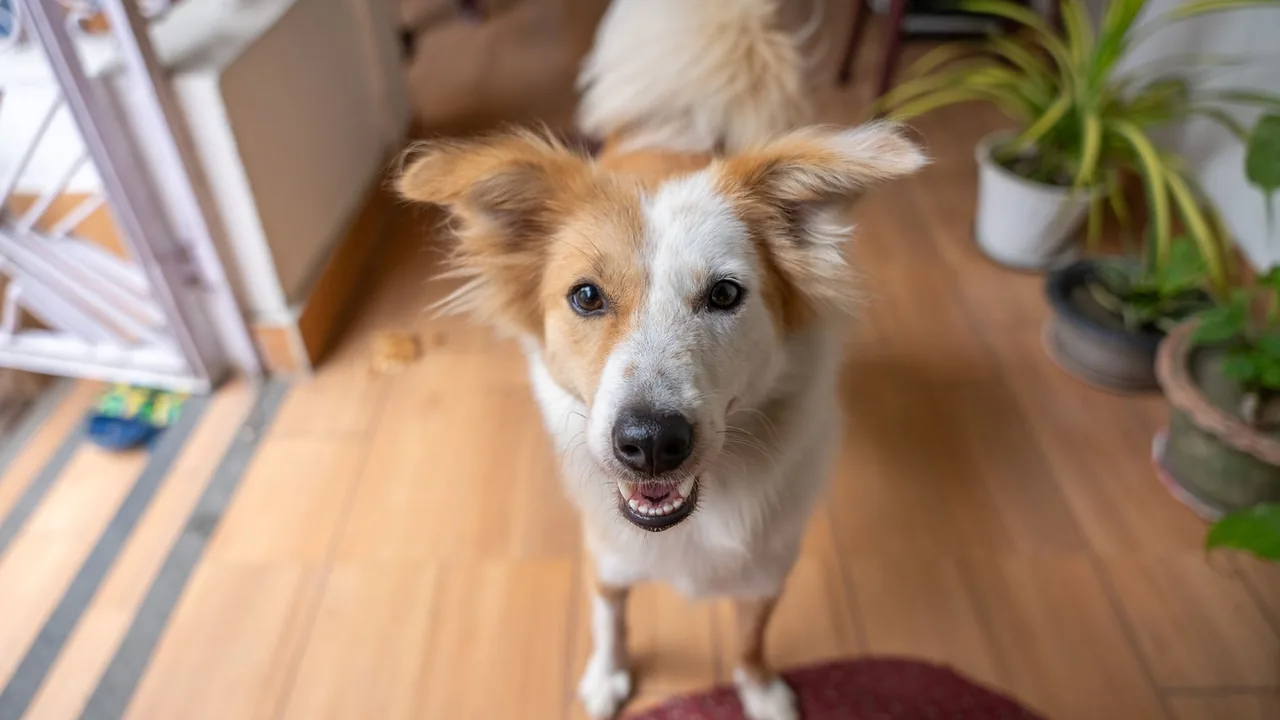
Dog Dry Eye (KCS) Symptom Tracker
Dry eye, or keratoconjunctivitis sicca, needs steady management. Log discharge, redness, squinting, and when you give drops so you can see whether your dog's eyes are improving.
Start tracking - it's freeVet visit coming up?
Build a printable prep checklist — what to bring, what to write down, questions to ask.
Why dry eye is tricky to manage at home
Thick discharge and redness can wax and wane, so it is hard to tell if treatment is working.
Missed or late drops can quietly set back progress when you are managing several daily doses.
Subtle squinting and rubbing are easy to overlook until the eye looks clearly irritated.
What the tracker actually does
Discharge & color log
Note the amount, thickness, and color of eye discharge for each eye at every check.
Redness & squinting notes
Track redness, squinting, and pawing so you can spot a flare building early.
Eye drop timing
Log when you give tear-stimulating or lubricating drops to stay on a consistent schedule.
Per-eye tracking
Record the left and right eye separately since KCS can differ between sides.
Vet-ready summary
Bring a clear history of discharge, redness, and drop times to recheck appointments.
Helpful supplies for dry eye care (#ad)
As an Amazon Associate, PetHealthLog may earn from qualifying purchases.
Affiliate links: as an Amazon Associate, PetHealthLog may earn from qualifying purchases at no extra cost to you. Informational only, not veterinary advice.
Get started in under a minute
- At each dose, log the drop and note discharge, redness, and squinting for each eye.
- Gently clean away discharge and record how heavy it was before cleaning.
- Review the weekly trend and share the summary with your vet to adjust treatment.
Frequently asked questions
- Can dog dry eye be cured?
- KCS is usually a lifelong condition managed with ongoing treatment rather than cured. Consistent drops and monitoring help keep eyes comfortable. Your vet guides the treatment plan.
- How often do dry eye drops need to be given?
- Many dogs need drops one or more times daily, but the exact schedule depends on the medication your vet prescribes. Logging doses helps you stay consistent.
- What does a dry eye flare look like?
- Flares often show as increased thick discharge, redness, squinting, and rubbing. Tracking these signs helps you catch a flare early and tell your vet.
- Why track each eye separately?
- Dry eye can be worse in one eye than the other, so per-eye notes give your vet a more accurate picture of progress.
- Can this app diagnose my dog's eye problem?
- No. This app only helps you record observations. Eye conditions can be serious and progress quickly, so always consult your veterinarian for diagnosis and treatment.
Keep your dog's dry eye under control
Free, offline, and ready the moment you open it.
Start with PetHealthLogMore free pet-health tools
Senior Dog Medication Tracker App
Keep every senior-dog medication on schedule with reminders and a dose log.
Dog Arthritis Mobility Tracker
Track mobility, stiffness, and good vs bad days for arthritic dogs.
Cat Medication Schedule Tracker
Organize your cat's medication schedule with reminders and a clear dose history.