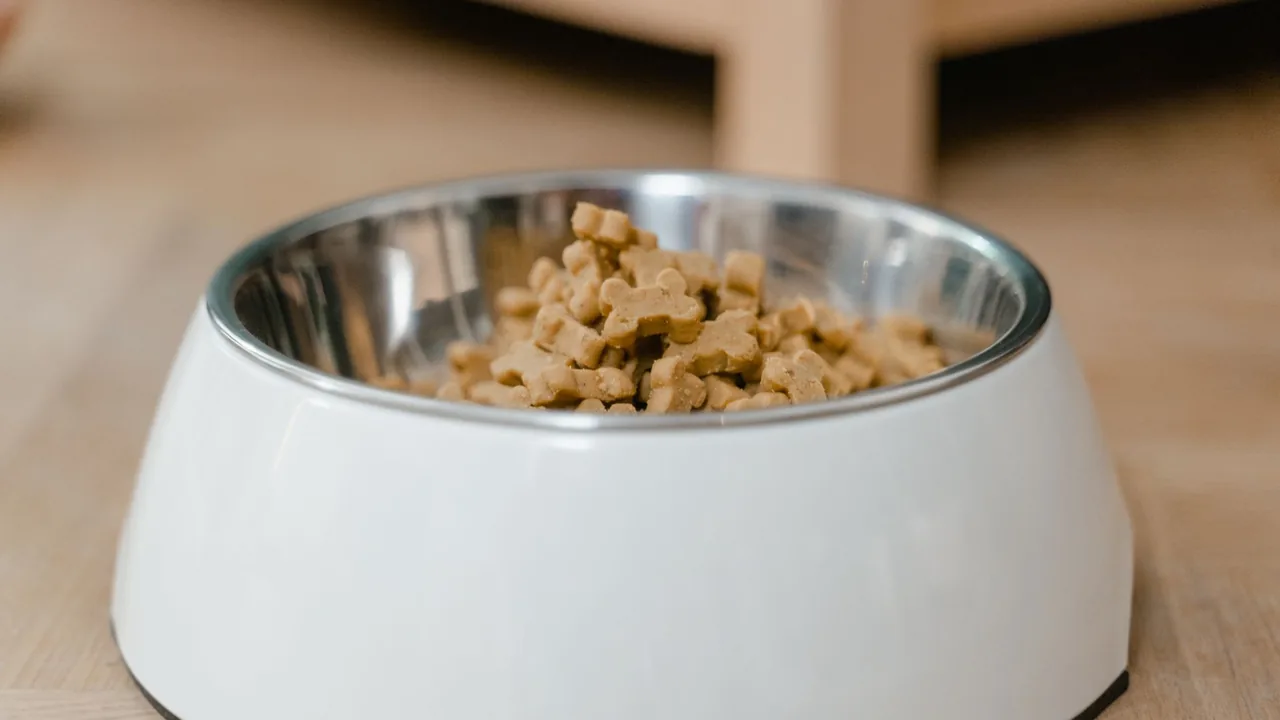
Dog Eats Too Fast (Feeding Pace) Tracker
A dog that inhales every meal can gulp air, gag, vomit, and - in deep-chested breeds - carry a higher bloat risk. PetHealthLog lets you log meals, time how long each one takes, note gulping or post-meal trouble, and see whether a slow feeder is actually slowing things down. Free, no account, works offline.
Start tracking - it's freeVet visit coming up?
Build a printable prep checklist — what to bring, what to write down, questions to ask.
Fast eating is a habit you can only judge by tracking it
If your dog finishes a meal in under a minute, gulps without chewing, or regularly burps, gags or vomits afterwards, they're probably eating too fast. Bolting food means swallowing a lot of air, which can lead to gas, regurgitation and discomfort - and in deep-chested breeds it's linked to bloat (gastric dilatation-volvulus), a serious emergency.
The usual fix is to slow the pace - a slow-feeder bowl with ridges, splitting meals into smaller portions, or feeding more calmly - but whether it's working is hard to judge from memory. "He seemed to eat a bit slower this week, I think" doesn't tell you much.
PetHealthLog is free, needs no account and works offline, so logging each meal, timing how long it took and noting any gulping or post-meal trouble builds a record you and your vet can actually read - and shows whether a slow feeder is making a difference.
What the tracker actually does
Log meals and time the pace
Record each meal and how long it took, so you can see whether mealtimes are genuinely slowing down rather than guessing.
Note gulping and post-meal signs
Jot burping, gagging, regurgitation or vomiting right after eating, so a pattern - and any change - is visible next to the meals.
See whether a slow feeder is helping
Once a slow-feeder bowl or smaller portions are in use, the meal-time log shows whether the pace and the post-meal signs are actually improving.
Watch for bloat-risk warning signs
Keep a note if you ever see a swollen or hard belly, unproductive retching or restlessness - signs that need urgent veterinary attention, not a wait-and-see.
A vet-ready PDF
Export a clean record of feeding pace and any post-meal signs, so a conversation about fast eating or bloat risk starts from real data.
How fast is too fast at mealtimes
A rough guide to mealtime pace - logging where each meal falls shows whether a slow feeder is helping. Logging where each day falls helps you and your vet see the trend — not a diagnosis. Only your veterinarian can assess severity.
Common options for a fast-eating dog (#ad)
If you're trying to slow your dog's eating, these are common over-the-counter options. Pick a size suited to your dog and confirm any feeding-routine change with your vet, especially for a breed at higher bloat risk.
| Option | What it helps with | Check before buying | |
|---|---|---|---|
| Slow-feeder bowl | Ridged maze design that makes a fast eater work for each mouthful, stretching a meal out and cutting down gulped air. | Match the bowl size to your dog; pick a stable, non-slip base so it can't be flipped. | Slow feeder bowl → |
| Portion / slow-feed routine | Splitting the daily food into smaller, more frequent meals is a no-cost way to slow the pace alongside a slow feeder. | Keep the total daily amount the same; confirm meal splitting with your vet for puppies or medical diets. | Slow feeder bowl → |
Affiliate links: as an Amazon Associate, PetHealthLog may earn from qualifying purchases at no extra cost to you. Always confirm the product, size and dose with your veterinarian. Informational only, not veterinary advice.
Get started in under a minute
- Open the app - no download from a store and no sign-up required.
- Add your dog, then set up the feeding routine you want to track.
- Log each meal, time how long it takes, and note any gulping or post-meal signs.
Frequently asked questions
- Is this dog feeding-pace tracker really free?
- Yes. Logging meals, timing the pace, noting gulping and post-meal signs, and the PDF report are all free. There is no sign-up and no account, and your dog's records stay on your own device.
- Why does it matter if my dog eats too fast?
- Bolting food means swallowing a lot of air, which can cause gas, gagging and regurgitation - and in deep-chested breeds, fast eating is one of the factors linked to bloat (GDV), a life-threatening emergency. Tracking the pace helps you and your vet see whether a slow-feeder routine is reducing the gulping.
- Do slow feeder bowls actually work?
- For many dogs, a ridged slow-feeder bowl genuinely stretches out a meal and reduces gulping and the air that comes with it - but how much it helps varies by dog, which is exactly why timing meals before and after is useful. The tracker shows you the difference; your vet advises on the right approach for your dog.
- What bloat warning signs are an emergency?
- A swollen or hard belly, repeated unproductive retching (trying to vomit with nothing coming up), drooling, pacing or obvious distress can signal bloat and need immediate veterinary attention - do not wait. The tracker is for everyday pace monitoring, not for managing an emergency.
- Does it work offline?
- Yes. PetHealthLog is a progressive web app that works offline, so you can log a meal without a connection.
- Is this a substitute for veterinary advice?
- No. PetHealthLog is a record-keeping tool, not veterinary advice. It does not diagnose anything; feeding changes and any concern about bloat risk should be discussed with a licensed veterinarian. The tracker just records meals and what you observed.
See whether your dog's mealtimes are actually slowing down
Free, offline, and ready the moment you open it.
Start with PetHealthLogMore free pet-health tools
Dog bloat (GDV) recovery tracker
For a dog recovering after bloat surgery - log meds, meals and how recovery is going.
Dog weight management tracker
Log weight and the feeding routine to see whether a plan is working over weeks.
Free dog medication reminder
Schedule medications, catch missed doses, keep an adherence streak.