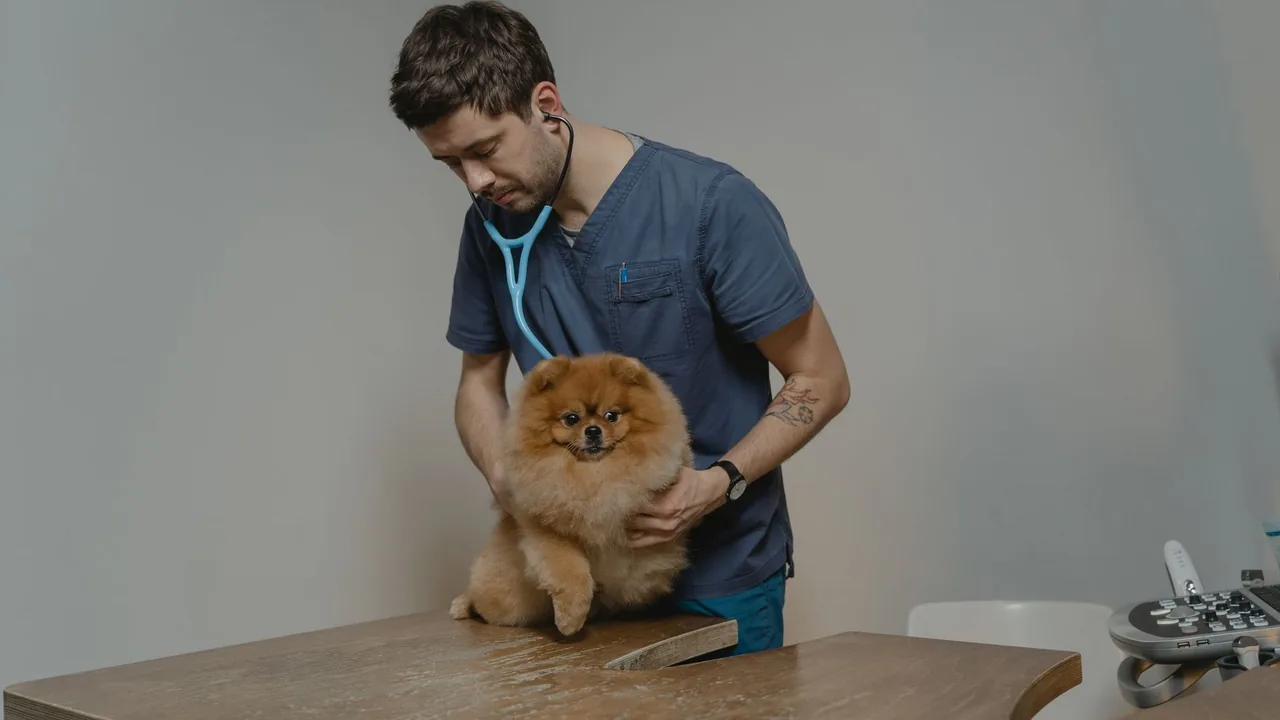
Dog Vestibular Disease Recovery Tracker
Old-dog vestibular episodes are frightening, but most dogs improve over days to weeks. Track head tilt, wobbliness, appetite, and nausea so you can see the trend and know when to call your vet.
Start tracking - it's freeVet visit coming up?
Build a printable prep checklist — what to bring, what to write down, questions to ask.
Why vestibular recovery is hard to track day to day
Symptoms swing hour to hour, so it is hard to tell if your dog is truly improving or staying the same.
Head tilt, eye flicking, and stumbling are easy to misjudge from memory alone after a stressful week.
Without notes on eating and nausea, you cannot tell your vet whether appetite is recovering or slipping.
What the tracker actually does
Head tilt severity log
Note tilt direction and how pronounced it looks each day to watch for steady improvement.
Balance & walking notes
Record stumbling, circling, and whether your dog can walk unassisted at each check-in.
Nausea & appetite tracking
Log drooling, refusing food, and meals finished so you can flag persistent nausea.
Eye movement notes
Jot whether the rapid eye flicking is present, fading, or gone over the recovery window.
Vet-ready summary
Turn your daily entries into a clean recovery timeline to share at recheck visits.
Helpful supplies during vestibular recovery (#ad)
As an Amazon Associate, PetHealthLog may earn from qualifying purchases.
Affiliate links: as an Amazon Associate, PetHealthLog may earn from qualifying purchases at no extra cost to you. Informational only, not veterinary advice.
Get started in under a minute
- Each morning, log head tilt severity, balance, and any eye flicking you notice.
- At meals, record appetite, drooling, and whether nausea seemed better or worse than yesterday.
- Review the weekly trend and bring the summary to your vet recheck to guide next steps.
Frequently asked questions
- How long does dog vestibular disease take to improve?
- Many dogs show improvement within a few days and recover substantially over two to three weeks, though a residual head tilt can remain. Your vet can assess your dog's specific case.
- Is a head tilt after vestibular disease permanent?
- Some dogs keep a mild head tilt long term while balance otherwise returns to normal. Tracking the tilt helps you and your vet see how much it resolves.
- Should I hand-feed my dog during recovery?
- If balance makes eating hard, many owners offer food by hand or raise the bowl. Discuss feeding strategies and hydration with your vet.
- What logs are most useful for the vet?
- Daily notes on head tilt, walking, eating, and nausea give your vet a clear trend that memory alone cannot provide.
- Can this app replace a veterinary diagnosis?
- No. This app only helps you organize observations. Vestibular signs can overlap with serious conditions, so always consult your veterinarian for diagnosis and treatment.
Track your dog's vestibular recovery with confidence
Free, offline, and ready the moment you open it.
Start with PetHealthLogMore free pet-health tools
Senior Dog Medication Tracker App
Keep every senior-dog medication on schedule with reminders and a dose log.
Dog Arthritis Mobility Tracker
Track mobility, stiffness, and good vs bad days for arthritic dogs.
Cat Medication Schedule Tracker
Organize your cat's medication schedule with reminders and a clear dose history.